

The time to find holiday let maintenance contractors is before anything breaks, while you can test them on planned jobs and agree how they will work with your property. A short list of checked trades, each briefed on access, approval limits and the property's quirks, turns an urgent fault into a phone call instead of a search. Read on for how to sort planned from urgent work, find and check local trades, agree terms, brief each contractor and keep a backup ready.
Planned work and urgent callouts
Start by splitting the work your property generates into two kinds, because they suit different contractors. Planned work is anything where you choose the date: servicing the boiler, regrouting a shower, repainting a scuffed hallway, replacing a worn tap or easing a window that has started to stick. Urgent work arrives with a guest in the property or a booking close behind: no heating, no hot water, a leak, a lock that has failed, a circuit that keeps tripping.
Some trades do both, but many prefer one. A decorator booked weeks ahead is a planned contractor. A plumber who picks up the phone on a Sunday is an urgent one. Write the trades your property relies on under each heading, and you have the shape of your network before you speak to anyone. Deciding how fast a reported problem needs action is a separate job, covered in what to do when a guest reports a fault mid-stay. The list you build here is who you ring once you have made that call.
Planned jobs also let you try someone new without the pressure of an urgent fault. Book them into a gap between stays, or alongside the slower jobs a holiday let deep clean picks up, and you see how a contractor quotes, communicates, turns up and finishes long before you need them under pressure.
Trades to have on your list
Most holiday lets lean on the same handful of trades. The table below sorts them by the work you're likely to book ahead and the work that turns up with a guest in the property, with the check to make before each one goes on your list. Your property may need others, such as someone to service a hot tub, so add them under the same headings.
| Trade | Planned work | Urgent work | Check first |
|---|---|---|---|
| Heating engineer | Boiler service, annual gas safety check | No heating or hot water, a boiler fault code | Gas Safe registration, and the gas work type on their ID card |
| Plumber | Replacing taps, regrouting, covering outside taps | Leaks, burst pipes, blocked toilets | References from other owners, and Gas Safe registration if they work on gas appliances |
| Electrician | Periodic inspection, extra sockets, outside lights | A circuit that keeps tripping, no power to part of the property | Membership of a scheme on the Electrical Competent Person Register |
| Locksmith | Changing locks, fitting a key safe | A failed lock or guests locked out | A named person who covers your postcode out of hours |
| Handyperson | Doors, shelves, flat-pack and small repairs | A window catch or door that won't close | Which jobs they take on and which they pass on |
| Roofer | Clearing gutters, checking tiles before winter | Storm damage, water coming through a ceiling | Photos of the problem before and after the work |
Sources for local trade recommendations
Look locally first. Ask neighbours, other holiday let owners nearby, your keyholder and whoever does the changeover which trades they have used in your area and which left messages unanswered. Ask what job the trade did for them, how long they waited and whether they would book them again. A name with a specific job attached tells you far more than a general recommendation.
Trade directories and review sites widen the search, which helps in rural areas where the local pool is small. Treat any listing as a starting point, not a verdict. Read the reviews for patterns rather than the star total: repeated comments about communication, tidiness and sticking to a quote tell you more than praise for one job. Check the contractor's base or stated service area against your postcode, because someone an hour away may not treat your callout as a priority.
For specialist work, look for someone who diagnoses the cause rather than someone who only treats the symptom. Recurring damp is the obvious example. If you have not yet traced where it comes from, finding the cause of damp and mould before you clean covers what to check before you call anyone out, so you brief the right specialist.
For urgent trades, aim for a named person with a direct number. A general booking line is fine for planned work, but when a guest is without heating you want to reach someone who already knows your property.
Checking trade scope and references
Before a contractor goes on your list, confirm that they do the specific work you are listing them for. A handyperson who hangs doors and fixes shelves is useful, but that does not make them the right person for wiring or gas. Ask each candidate plainly which jobs they take on and which they pass to someone else, and write the answer next to their name.
For electrical work, GOV.UK's page on competent person schemes points homeowners to the Electrical Competent Person Register, and explains that a registered installer can self-certify that their work meets building standards. Registration covers specific types of work, so ask any electrician you shortlist which scheme they belong to and what it covers, then search the register for them yourself.
For gas, the law is plain. HSE's gas safety guidance for landlords and letting agents, which covers holiday cottages, says only a Gas Safe registered engineer may maintain and safety-check the gas appliances you provide, including LPG. HSE also advises checking that the engineer is qualified for the specific type of gas work, which is shown on the back of their Gas Safe ID card. Check the card on the first visit and note the registration number on your list.
Then ask for references. One or two recent customers are enough, ideally owners who do not live in the property the contractor worked on, because those jobs involve keys, absent owners and other people's timetables. Ask the referee how access was handled, whether the final bill matched the quote and how the contractor communicated when something changed. Note what you hear. A reference you did not write down is gone by the time you need it.
Response times, quotes and approval limits
Agree the working arrangement before any work starts, while nothing is urgent and both sides can think clearly. Start with availability. Ask which days and hours the contractor works, whether they take out-of-hours calls, and how quickly they normally reply to a message. Write down what they tell you, not what you hope.
Then agree how money is handled. Ask how they quote, whether they charge for a callout or for travel, and how they charge for time outside normal hours. Set an approval limit: anything above an amount you choose needs your go-ahead before work continues. Without one, a simple repair can turn into a larger job you only learn about from the invoice.
Settle the practical details too. Ask whether they supply parts or expect you to, how they want to be paid, what the invoice will show, and whether they guarantee their workmanship. Ask for photos before and after each job, so you can see what was found and what was done without travelling to the property.
Certificates and paperwork after each job
Ask for the paperwork before the contractor leaves, not when you next need it. After a gas safety check, the engineer gives you a gas safety record. HSE says to keep it for at least two years, and for stays of under 28 days you can display a copy prominently in the property.
Where an installer registered with a competent person scheme does work that falls under building regulations, such as fitting a replacement boiler or new windows, GOV.UK says they will give you a certificate within 8 weeks of completion. It is your evidence that the work complies, and the schemes have insurance-backed warranties and complaints procedures if there's a problem with the work.
For every job, keep the invoice, the before and after photos and any guarantee, filed against the property rather than the contractor. When the same fault comes back, or an insurer asks what was done and when, you have it all in one place. Insurance for self-managed holiday lets covers what to check in your policy before you need to claim.
Guest access and contractor arrivals
Decide how a contractor gets in before the first callout. A key safe, a smart lock code or a local keyholder all work, but each needs a clear rule. If you use a code, give a temporary one where your lock allows it and change it once the job is finished. If a keyholder lets the contractor in, confirm they are available at the times the contractor works.
When guests are staying, tell them who is coming, roughly when and what the job involves. Give the contractor's name so the guest knows who to expect at the door. Ask the contractor to knock and introduce themselves, even if they hold a key or code, and never to walk into an occupied property unannounced.
For planned work, book the slot between stays wherever you can. Ask the contractor to message you when they arrive and when they leave, and to tell you straight away if the job will run into the next check-in time.
A property sheet for each contractor
A contractor who arrives knowing the property spends less time searching and more time fixing. Put together a short property sheet and send it before the first visit. Include the address, where to park, how to get in, and the locations of the stopcock, fuse box, gas meter and boiler. Add the boiler and main appliance models, where the manuals are kept, and any past faults with the date and the fix.
Include the quirks a stranger would not spot, such as a tap that needs turning further than usual or a cupboard that hides the water tank. Photos of each location save a phone call while you are elsewhere.
Tell the contractor what to leave behind. Ask them to take away waste and old parts, clean up the work area and leave a note of anything else they noticed. Small faults reach you sooner if whoever does the changeover records them as part of each visit; building a changeover checklist from scratch shows how to add those checks to the routine.
What to send with each callout
The property sheet covers what doesn't change. Each callout needs its own short message, sent in writing even if you've just spoken on the phone, so the details don't rely on anyone's memory. Include:
- What the guest reported, in their words, with any photos or video they sent
- When the property is free, or when the guests are happy for someone to call
- The guests' names, if they will be there
- How the contractor gets in for this visit
- Your approval limit for this job
- What you want back: photos, what was found and whether a second visit is needed
Ask the guest for a photo or a short video before you send it. A heating engineer who can see the fault code on a boiler display may bring the right part first time.
Backup contractors for urgent trades
Your first choice will not always answer. Contractors go on holiday, fall ill, fill their diary in busy months or stop taking callouts in your area. For every urgent trade on your list, keep a second name you have already checked and briefed.
Give the backup a planned job early on, so you know how they work before you rely on them in a hurry. A small repair between stays is enough to see how they quote, communicate and leave the property. Send them the same property sheet and agree the same terms, including the approval limit.
Use the backup often enough that they recognise your name. A contractor you call once and then forget may not answer the next time. Before your busiest periods, check that both options are still working in your area and still taking out-of-hours calls, and update the list if anything has changed.
When no contractor answers
Some faults can't wait for anyone on your list. If a guest smells gas, the first call is to the gas emergency service, not your engineer: 0800 111 999 in Great Britain and 0800 002 001 in Northern Ireland. In England, Scotland and Wales, report a power cut on 105, which puts you through to the local electricity network operator. In Northern Ireland, contact NIE Networks. For a leak, the most useful thing you can do from a distance is help the guest stop the water. Keep photos of the stopcock, the fuse box and the boiler on your phone and in the welcome guide, so you can send one in seconds and talk the guest through turning the water off while you keep ringing.
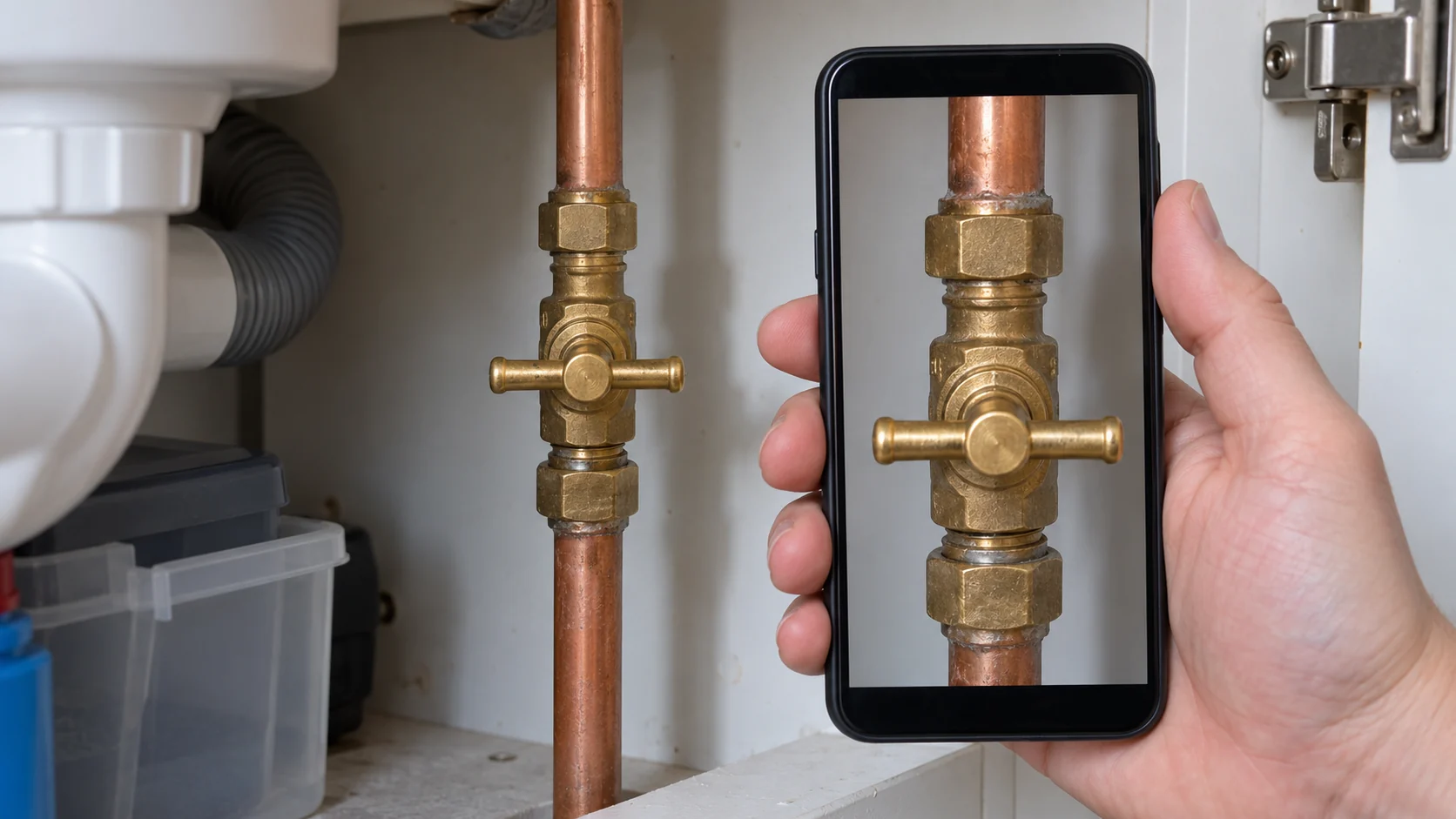
If neither your first choice nor your backup answers, a larger firm with a 24-hour line may come out, though it often charges more. Agree the cost before anyone sets off, give them your approval limit and send the same callout message you would send your own contractor. Afterwards, ask your regular contractor to check the work at their next visit.
When a job goes wrong
Most problems are a missed appointment, a quote that grows or a repair that fails within weeks. Deal with each one in writing: say what happened, what you expected and what you'd like done, and give the contractor a fair chance to put it right. A good trade who hears about a problem early will usually come back. Send photos, and keep the guest's report if the fault came back during a stay.
Hold back payment only for the part of the work that's in dispute, and pay the rest on time. If the contractor won't return, book your backup for the repair, keep the invoices for both jobs and take the first contractor off your list. Work done under a competent person scheme can go through that scheme's complaints procedure.
A contractor list for quick calls
A contractor list only helps if you can find it and read it quickly from your phone during a stressful call. Keep it in one place, shared with anyone who may need to arrange a repair for you, such as a keyholder.
For each contractor, record the trade and the specific work they take on, their direct number, their working hours and out-of-hours arrangement, any registration details, the terms you agreed, the approval limit, and the name of your backup for that trade. Add the date you last used them and a short note on how the job went.
Update the entry after every job while the details are fresh. Remove anyone who has stopped answering or whose work disappointed you, and fill that gap before the next booking.
Your next step: write down the trades your property relies on under planned and urgent, mark the gaps, and book one planned job between stays to test a new name.