
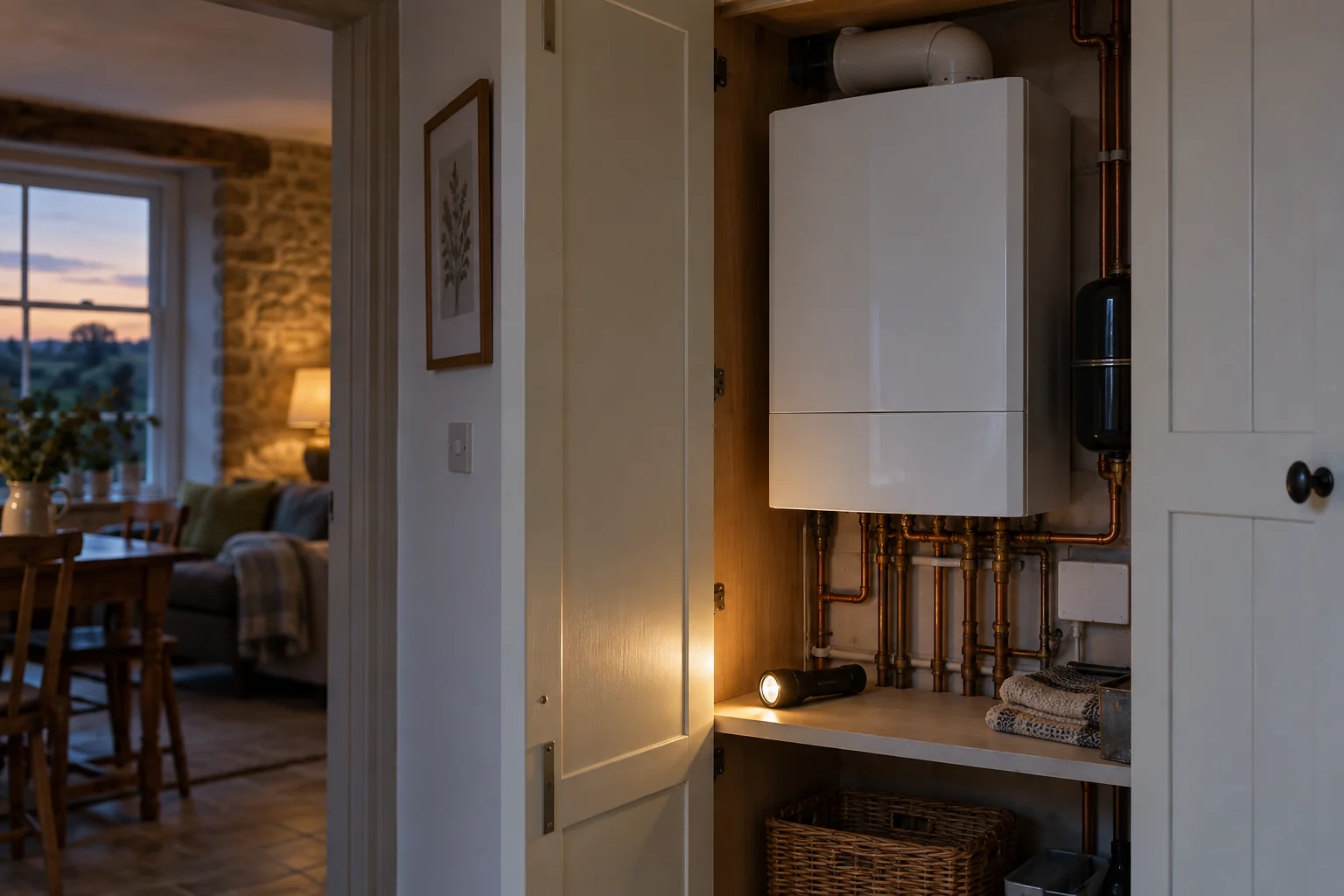
When a holiday let guest reports a fault mid-stay, the first ten minutes matter more than the repair itself. A quick, clear reply, with a check for any danger, a realistic timescale and what happens next, keeps a disappointed guest from becoming an angry one, even if the fix takes days. This guide gives you a way to handle any fault report, from a dead lightbulb to a leaking ceiling: the three questions to ask first, what counts as urgent, how to get a repair moving, and how to decide on compensation.
A fault report on a Saturday night
Faults don't arrive on your schedule. They arrive when you're at your child's swimming lesson, or halfway through dinner, or on a train with patchy signal. The guest who reports one has usually already decided how annoyed they are before you've even opened the message. Your first reply either confirms that annoyance or starts talking them down from it.
That's the entire game in the opening minutes. Not fixing anything yet. Managing the emotional temperature of the situation while you work out what's wrong.
Why most hosts get this wrong in the first ten minutes
There are two common failure modes, and they sit at opposite ends of the same mistake: reacting before you understand the problem.
The first is over-apologising and over-promising. "I'm so sorry, I'll sort this immediately, don't worry about a thing" sounds warm, but if you haven't yet worked out whether "immediately" means twenty minutes or three days, you've made a promise you might not keep. Guests remember broken promises far more than broken boilers.
The second is minimising. "That's odd, it was working fine when the last guests left" is true, unhelpful, and sounds defensive even when you didn't mean it to. The guest doesn't want a diagnosis of blame. They want to know what happens next.
Both failures come from the same root cause: replying to the emotion before you've triaged the fact. Fix the order, and both problems disappear.
Three questions to ask first
Before you write a single word back, ask yourself three questions. This takes about thirty seconds and it will shape everything else you do.
First: is anyone in danger? Gas smells, exposed wiring, carbon monoxide alarms, structural issues, anything involving fire or electricity behaving strangely. If yes, this overrides every other consideration, including cost, including inconvenience, including how late it is.
Second: is the property still liveable? A broken kettle is annoying. No hot water in December is not liveable for most people. A dripping tap is a nuisance. A leak coming through a light fitting is not something anyone should stay under.
Third: how much is this affecting the stay the guest paid for? This is the one hosts skip, and it's the one that decides compensation later. A fault that's cosmetic and doesn't affect the guest's day is different from one that means they can't cook, can't sleep, or can't wash.
Answer those three questions and you already know roughly what kind of response you're dealing with: an emergency, a same-day fix, or something that can wait until the morning without anyone suffering for it.
If anyone could be in danger
If the answer to the first question is yes, your first message isn't an acknowledgement. It's telling the guest what to do, straight away. Send the relevant steps before anything else, then deal with engineers and costs once everyone is safe.
What to tell the guest first
Emergency numbers: gas 0800 111 999 (England, Scotland and Wales) or 0800 002 001 (Northern Ireland). Fire or anyone unwell: 999.
| Situation | Tell the guest to | Then you |
|---|---|---|
| A smell of gas | Avoid using switches or flames, open doors and windows, turn off the gas at the meter if it's safe to, leave, and call the gas emergency number | Keep the property out of use until an engineer says it’s safe |
| Carbon monoxide alarm sounding | Open windows, turn off appliances if it's safe to, get everyone outside, call the gas emergency number, and call 999 if anyone feels unwell | Keep the appliance out of use until a Gas Safe engineer has checked it |
| Sparking, a burning smell or exposed wiring | Keep away, switch off at the fuse box only if it’s safe to reach, and call 999 if there’s smoke or fire | Get an electrician before that circuit is used again |
| Fire, or a smoke alarm with signs of fire | Get out, stay out, and call 999 | Contact the guest once they’re safe |
| Water coming through a ceiling or near electrics | Keep away from wet fittings, turn off the water at the stopcock, and switch off at the fuse box if it’s safe to | Call a plumber and electrician, and tell your insurer |
This is why the guest safety notice in your holiday let compliance file matters: a guest who already knows where the stopcock, meter and fuse box are can act in seconds.
Which faults are urgent and which wait until morning
Not every reported fault needs a tradesperson racing over at 10pm.
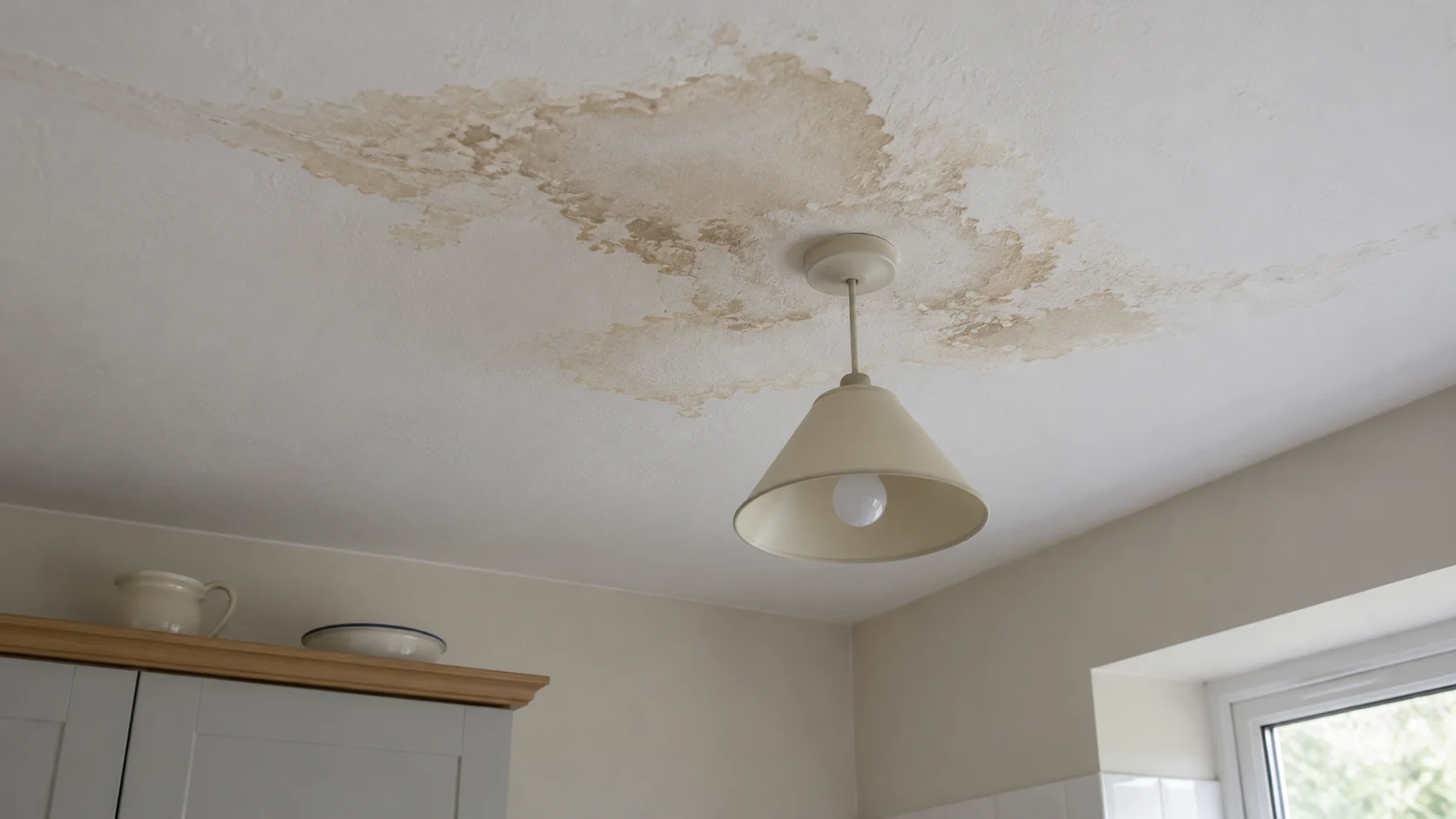
Response times for each type of fault
Sort the fault first. The reply and the repair follow from the category.
| Category | Examples | Act within |
|---|---|---|
| Urgent | No heating in cold weather, no hot water, gas or electrical safety concerns, an active leak, a locked-out guest, no working smoke or carbon monoxide alarm | Hours, whatever the time |
| Same day | Broken appliances that aren't safety-critical, a lock that sticks but works, patchy Wi-Fi | Before the end of the day |
| Can wait | Cosmetic issues, one bulb out where there’s other light, a squeaky door, low but usable water pressure | A reasonable hour, or the next changeover |
Write this list down somewhere you'll find it again, perhaps pinned in whatever app or notebook you use to run bookings. When the message comes in stressed and rushed, you want a category to sort it into, not a judgement call you're making from scratch under pressure.
Replying before you have a solution
Here's the part most advice skips: you can and should reply to the guest before you know how you're going to fix anything.
The reply has one job. It tells the guest you've seen the message, you understand the impact on their stay, and you're actively doing something about it right now. That's it. It does not need to include a solution yet.
A workable structure: acknowledge what they've told you in your own words, so they know you've read it properly rather than sent a stock reply. State what you're doing next, specifically. Give a realistic time you'll update them again, even if that update is just "still working on it."
For example: "Thanks for letting me know about the hot water, I'm sorry that's a rubbish thing to deal with on your first evening. I'm calling a plumber now and I'll update you within the hour either way." That message contains no promise about outcome, but it makes the guest feel handled rather than ignored. Speed of acknowledgement matters more than speed of resolution, because acknowledgement is the thing within your control in the first five minutes.
Getting a repair moving without losing the rest of the day
Once you've replied, the actual work starts. If you don't already have two or three tradespeople you can call outside normal hours, this is worth sorting before you need them, not during. A plumber, an electrician, and a general handyman who've dealt with you before and know the property will move faster than someone found through a panicked search on a Saturday night. To build that list before a fault arrives, finding holiday let maintenance contractors early covers how to check each trade, agree response times and keep a backup ready.
If it's something you or whoever does the changeover can check yourself safely first, do that before calling anyone out. A tripped switch, a reset button, a thermostat set wrong by a previous guest: these cost nothing and take minutes, and calling out a paid tradesperson for something you could have fixed yourself is money and time you don't need to spend.
If you do need a tradesperson and it's outside normal hours, expect to pay a callout premium. Factor that into how you think about compensation later; it's a real cost of the situation, not a reason to skip getting it fixed properly.
Keep the guest updated even when there's no news. A message that says "still waiting to hear back from the electrician, will update by 8pm" costs you thirty seconds and prevents the guest from stewing in silence and drafting an angry review in their head.
Add anything you find to your changeover checks so it's caught next time; building a changeover checklist from scratch shows how.
When staying put stops being reasonable
Sometimes the answer is that the property isn't fit to stay in tonight, and no amount of good communication changes that. No heating in the depths of winter with young children in the party. No functioning bathroom. A safety issue that can't be resolved same day.
This is the point where offering alternative accommodation, even at your own cost, is usually cheaper than the alternative: a refund battle, a public review describing your property as unsafe, or a guest who simply leaves and disputes the whole booking.
If you reach this point, be direct with the guest rather than hoping they'll manage. "I don't think it's fair to ask you to stay here tonight without hot water. I'd like to help arrange nearby accommodation and cover the cost, and we'll sort your remaining stay once the repair is done." That sentence does more for your reputation than any amount of apologising while the guest sits in a cold flat.
When the fault has caused damage
If the fault has damaged the property, such as water through a ceiling or a flooded floor, tell your insurer as soon as the immediate problem is under control. Take photos before anything is cleared up, keep the tradesperson's invoice, and note the dates the property couldn't be let. If damp or mould appears in the weeks after a leak, the guide to damp and mould in holiday let accommodation shows how to find the cause before you clean.
If your policy includes loss of income, those dates matter. Insurance for self-managed holiday lets explains what that cover does and where standard policies fall short.
Deciding on compensation
Compensation decisions made in the heat of the moment, out of guilt, tend to be either too generous or inconsistent between guests, which creates its own problems later. Wait until the fault is resolved and you know the real scale of the disruption before deciding what, if anything, you owe.
A helpful frame: what portion of the stay's value did the guest lose? A fault fixed within two hours on day one of a week-long stay is a very different situation from a fault that persists for the whole stay. Think in terms of the proportion of the booking affected, not a flat "sorry, here's 20%" gesture that doesn't map to anything.
You don't owe compensation for every reported fault. A guest who mentions a slightly wobbly chair leg is not owed a discount. A guest who lost their first night's sleep to a broken heating system in January probably is. The three questions from earlier (danger, liveability, impact on the stay) are the same questions that tell you whether compensation is warranted at all, so this isn't a new decision, it's the outcome of the triage you already did.
Whatever you decide, communicate it clearly and once, rather than negotiating back and forth. "Given how much of your stay was disrupted, I'd like to refund [amount] for the nights without heating. The engineer has fixed the fault, and I've booked a full service so it doesn't happen again."
What to write down while it's still fresh
Immediately after the situation is resolved, while the details are still clear in your head, write down what happened. Not for the guest, for you. Date, time the fault was reported, what it was, what you did, who you called, when it was fixed, and what if anything you offered as compensation.
This record does two things. It protects you if the guest later disputes what happened or leaves a review that overstates the disruption; you have a factual timeline to refer back to, even if you never need to share it publicly. And it builds a pattern over time. If the same appliance keeps failing, or the same complaint keeps coming from the same room, that pattern is invisible unless you're writing it down somewhere consistent.
A simple note in whatever system you already use for bookings is enough. It doesn't need to be elaborate. It needs to exist.
Before the guest checks out
Don't let the fault be the last thing that happened in the relationship. Once it's fixed and, if relevant, compensation has been agreed, follow up before the guest leaves, not after. "Just checking the heating's working properly now and you're comfortable for the rest of your stay. Let me know if anything else comes up."
This does something reviews can't undo later: it gives the guest a final, positive interaction to remember the stay by, rather than leaving the fault as the last thing that happened before they wrote their review. Most people, when treated fairly and kept informed, will mention in a review that something went wrong and was handled well, rather than mentioning only that something went wrong.
Preventing the same fault happening again
The single biggest determinant of whether a guest leaves a bad review after a mid-stay fault isn't whether they got money back. It's whether they felt informed and taken seriously throughout. Hosts who focus their energy on compensation and skip the communication piece consistently do worse than hosts who communicate well and offer modest or no compensation, because guests forgive inconvenience far more readily than they forgive being ignored.
If you only take one thing from this: the reply that says "I've seen this, here's what I'm doing, I'll update you by X" is worth more than any amount you later refund. Send that message first, every time, before you've solved anything.
If the conversation turns into a complaint, handling a guest complaint without caving or escalating covers what to say.
When a guest is unhappy despite a good response
Sometimes you'll do all of this properly, respond fast, get someone out same day, offer fair compensation, and the guest will still leave a poor review. This happens. A minority of guests arrive looking for reasons to be dissatisfied, and no process protects you completely from that.
What the process does protect you from is the far more common outcome: a disappointed guest who becomes an angry one because they felt unheard. That's the failure that's within your control, and it's the one this approach is built to prevent.
It's also worth accepting that some faults will recur if you don't fix the underlying cause, not just the symptom. If a boiler keeps tripping, a one-off repair without investigating why it keeps happening is a pattern of firefighting rather than fixing. Use the record you kept to spot that pattern, and treat a repeat fault as a signal to invest in a proper diagnosis rather than another quick callout.
After each fault, update your contractor list and your fault record while the details are fresh, so the next report starts from a better position.