
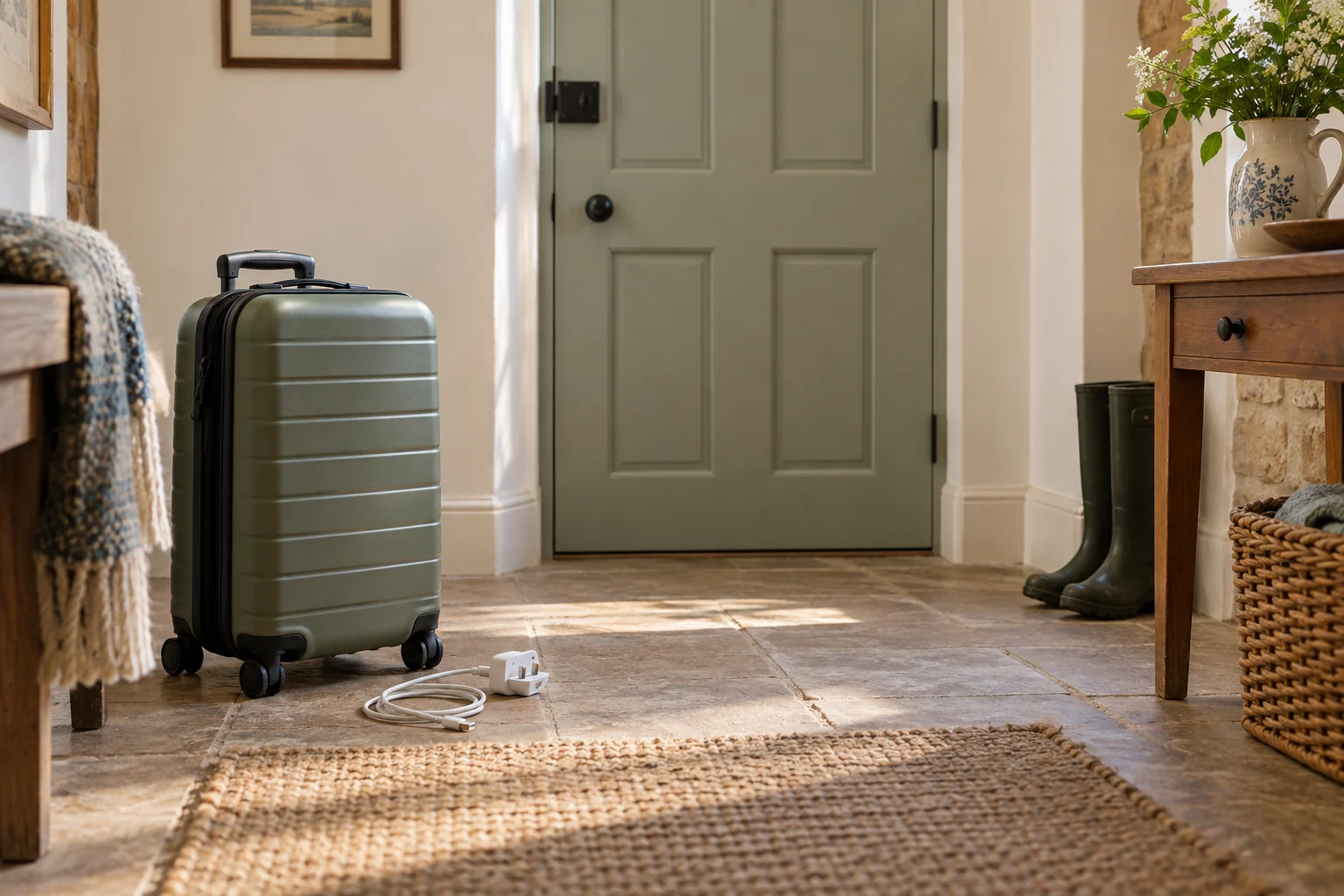
When a holiday let guest asks for something you can't give, such as an early check-in, an extra guest or a pet, there are two instincts: say yes to keep them happy, or say no and move on. Both tend to cause trouble later. Refusing fairly comes down to three things: give the real reason, offer the nearest alternative, and handle push-back without inviting a bad review. There are replies below for the requests you'll get most, and the one exception you must know about: assistance dogs.
Typical requests you have to turn down
"Any chance we could check in a couple of hours early, our train gets in at 11?" For a holiday let host, it arrives the day before, sometimes the morning of, and it seems like such a small thing to ask. Except you know the previous guests aren't leaving until 11, the changeover needs doing in between, and two hours early simply isn't physically possible without cutting corners you don't want to cut.
Or it's a pet, when the listing clearly says no pets. Or a discount, because a friend found somewhere cheaper. Or an extra guest squeezed in beyond what's booked. None of these are unreasonable people making unreasonable demands. They're just asking for something that, for entirely practical reasons, you can't give.
Why saying yes causes problems later
The instinct to say yes anyway is strong, especially with a good review on the line. It feels like the accommodating thing to do, the thing a nice host does. But saying yes to an early check-in you can't deliver on doesn't make the problem disappear, it just moves it. Now the changeover is rushed, or the outgoing guest is asked to leave earlier than they were promised, and either way you've traded one guest's happiness for another's, or for your own stress trying to do a full changeover in half the time.
Saying yes to things you can't accommodate creates a debt that gets paid somewhere, usually in quality, in your own time, or in a promise to someone else getting broken.
Why a flat no causes arguments
The opposite instinct, refusing outright, feels safer for the opposite reason: at least you're not creating a problem you'll have to solve later. But a bare "no, sorry, that's not possible" without any explanation reads as arbitrary, even when it isn't. Guests don't know what's happening behind the scenes. From where they're sitting, a no with no reason looks like you simply didn't want to help.
That's when requests turn into complaints, and complaints turn into "the host wasn't accommodating at all" in a review, even though the actual ask was never realistic in the first place.
What makes a refusal feel fair
The gap between a no that lands badly and a no that lands fine almost never comes down to the decision itself. Guests accept plenty of refusals without complaint, as long as the refusal comes with a reason that makes sense and, wherever possible, something offered in its place.
A no with a visible cause behind it reads as a fact about the situation. A no with no cause reads as a choice you made about them personally. Same outcome, completely different experience for the person receiving it.
State the constraint before the decision
The order matters more than most hosts expect. Say the constraint first, then the decision, not the other way round. "The previous guests are booked out until 11 and the property needs a full changeover before you arrive, so I can't offer an earlier check-in this time, sorry" lands very differently from "Sorry, I can't do an early check-in, we've got guests leaving at 11 and need time to clean."
Both sentences contain the same facts. The first one puts the reason in front of the reader before the refusal, so by the time they reach "can't," they already understand why. The second leads with the refusal, so the reason feels like a justification bolted on afterwards, even though it's exactly as true.
Side by side, the difference is easy to see.
Decision first or constraint first
Same facts, same answer. The second reads as a fact about the situation, not a choice about the guest.
Decision first
Sorry, I can't do an early check-in, we've got guests leaving at 11 and need time to clean.
Constraint first
The previous guests are booked in until 11 and the property needs a full changeover before you arrive, so I can't offer an earlier check-in this time. I'm happy to store your luggage from 11 if that helps.
Give the real reason for the refusal
"It's our policy" is one of the least convincing sentences in hosting, because it explains nothing about why the policy exists. Guests hear "policy" and assume it's arbitrary, or that you're hiding behind a rule to avoid a conversation.
Naming the actual mechanism, even briefly, does more work than any policy reference ever will. "We don't allow pets because the property doesn't have secure outdoor space and previous guests have had allergy reactions from dander left behind" tells a real story. "Sorry, no pets, that's our policy" tells the guest nothing except that you'd rather not discuss it.
Offer the nearest real alternative
Wherever one exists, name it in the same message as the refusal, not as a separate follow-up. "I can't do an 11am check-in, but I'm happy to hold your luggage securely from 11 if you'd like to explore the area first and we'll have the property ready by 3" turns a flat no into a workable plan. It doesn't cost you the changeover time you need, and the guest leaves the conversation with something rather than nothing. For early check-in in particular, the check-in message sequence that prevents most access problems helps you tell guests the moment the property's ready.
Not every request has a real alternative, and manufacturing a fake one is worse than offering none. If there isn't a workaround, say so plainly rather than inventing a token gesture that doesn't help.
Replies for the requests you'll get most
Here's the real constraint behind each common request, and the nearest thing you can usually offer.
Common requests at a glance
Name the constraint, then offer what you can.
| Request | The real constraint | What you can offer instead |
|---|---|---|
| Early check-in | Guests leaving the same day, and a changeover to do | Luggage storage, and a message the moment it's ready |
| A pet (not an assistance dog) | Allergies, no secure garden, or flooring that won't cope | A clear no now, rather than a problem on arrival |
| An extra guest | Beds, safety checks and insurance cover the booked number | Updating the booking through the platform, if it's possible |
| A discount | The price reflects the dates, demand and what's included | A heads-up if a cheaper date opens |
| A refund for a preference | The listing was accurate | Help making the rest of the stay more comfortable |
For early check-in when it isn't possible: "The property's occupied by other guests until [time] and needs a full changeover before you arrive, so I can't move check-in earlier this time. Happy to store luggage from [time] if that helps, and I'll message the moment it's ready in case it's sooner."
For a pet when the property doesn't allow them: "I'm not able to allow pets at this property, mainly because of [specific reason: allergy history, no secure garden, flooring that doesn't handle claws well]. I know that's disappointing, I'd rather be upfront now than have it be an issue on arrival."
For an extra guest beyond the booking: "The booking's for [number] guests and the property's set up and, where relevant, safety-checked for that number, so I can't add another person to this stay. If you'd like to update the booking for [extra number] I can check whether that's possible and what the difference would be."
For a discount request based on finding somewhere cheaper: "I've had a look and the price reflects [specific reason: dates, demand, what's included], so I'm not able to match that rate on this booking. If your dates are flexible at all, I'm happy to flag if anything opens up at a lower rate."
For a refund request based on a preference rather than a fault, like disliking the decor or the property being smaller than they pictured despite accurate photos and dimensions: "I'm sorry it wasn't quite what you had in mind. The listing photos and measurements are accurate to the property, so I'm not able to offer a refund on that basis, but let me know if there's anything I can do to make the rest of the stay more comfortable."
The exception to "no pets": assistance dogs
A "no pets" rule doesn't generally cover assistance dogs. Under the Equality Act 2010, turning away a disabled guest because of their assistance dog is likely to be unlawful discrimination, and booking platforms including Airbnb require hosts to accept assistance animals. Allergies or a no-pets listing aren't usually accepted as reasons to refuse.
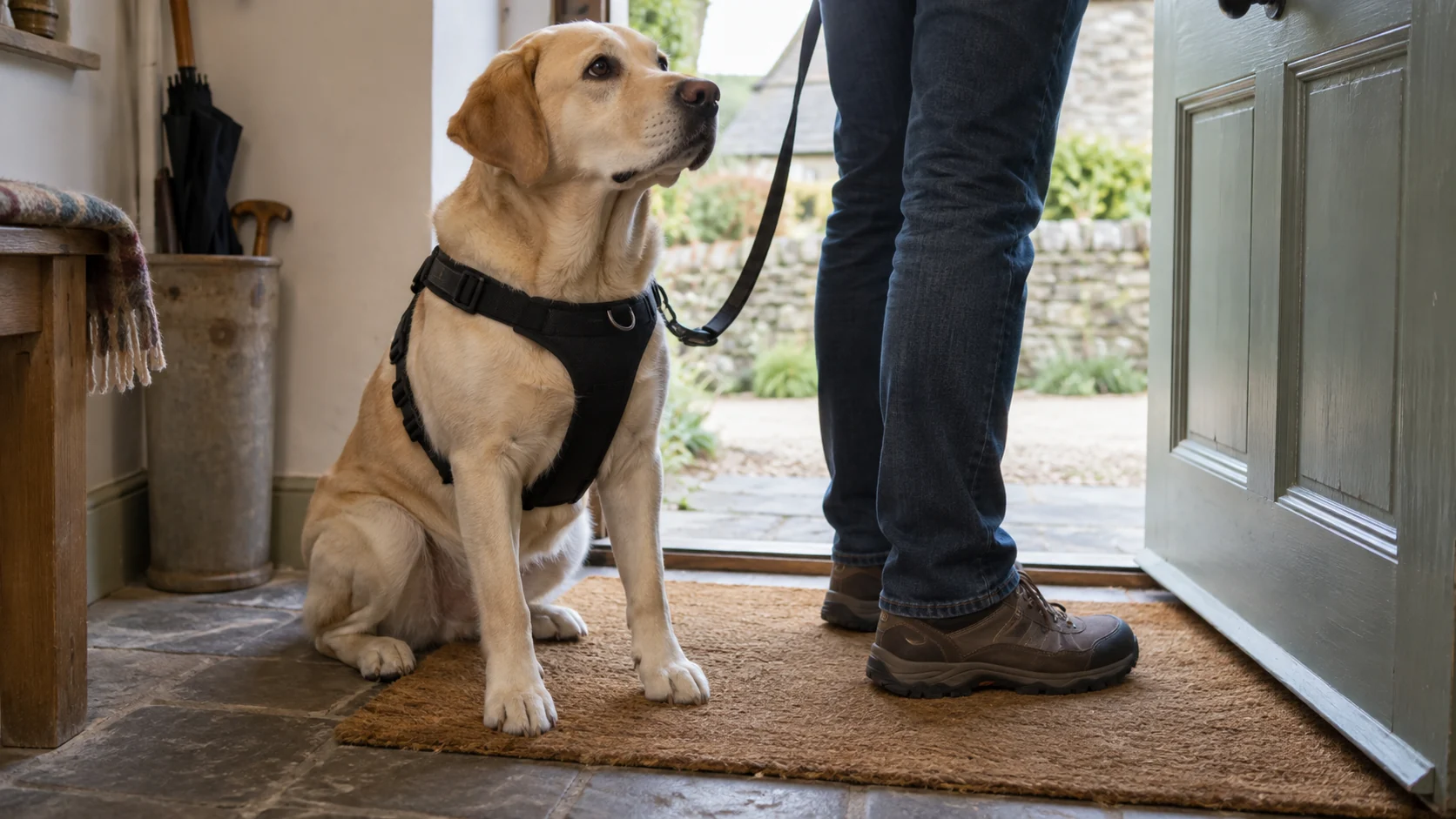
If a guest mentions an assistance dog, the right reply is a welcome and any practical information they'll need, such as where the nearest grass area is. If you have a concern, check the guidance before you reply, not after.
Never take payment outside the platform
Sometimes a request comes with an offer: "we'll pay you cash for the extra guest" or "could we pay you directly and skip the fees?" Booking platforms don't allow this, and it leaves you without the platform's payment protection, its record of the booking, or its support if anything goes wrong.
Keep every change and every payment inside the booking. If a guest wants to add a person or change dates, ask them to request it through the platform so the price, the guest count and any cover all update together.
What to do when they push back anyway
Some guests will accept the first no gracefully. Others will push, sometimes reasonably, sometimes not. When that happens, resist the urge to either fold or repeat yourself more firmly. Repeating the same explanation louder rarely changes anyone's mind, it just makes the conversation feel stuck.
Instead, check whether anything has changed. Did they offer new information, like arriving even earlier than expected, which might open a different option? If nothing's changed, it's fine to say so plainly: "I understand that's frustrating, but the situation with the changeover hasn't changed, so the answer's the same, sorry." One calm repetition, once, is enough. You don't owe a guest an infinite negotiation. If the push-back turns into a complaint about the stay itself, handling a guest complaint without caving or escalating covers what to do next.
When bending the rule makes sense
None of this means every rule should hold in every situation. Some requests cost you nothing to grant. An early check-in when the property happens to be empty between bookings that week isn't the same request as one when it's fully booked. A pet request when you're rethinking your pet policy anyway is worth reconsidering properly, not just refusing out of habit.
The test worth applying before refusing anything is simple: is this a real constraint, something with an actual cost or risk attached, or is it just the way things have always been done. If it's the latter, it might be worth changing the underlying rule, not just defending it. If it's the former, hold the line, explain why, and offer what you truly can.
If the same request keeps arriving, look at your listing. Stating check-in time, pet rules and the maximum number of guests clearly, and offering paid early check-in on dates when you can, stops many requests before they're sent. Before you offer early check-in on a day when guests are also leaving, planning your holiday let changeover time shows what the earlier arrival would cut from the work.
Ending the exchange politely
A refusal that's explained, paired with whatever alternative truly exists, and left there without over-apologising, rarely turns into a bad review on its own. What turns into a bad review is a guest left confused about why they were told no, or a host who kept apologising in a way that suggested even they didn't think the answer was fair.
Close it plainly: state the constraint, state what you can offer instead if anything, and stop. "Wish I could make the early check-in work this time, but I'll message you the moment the property's ready in case it's sooner than planned." That's a complete answer. It doesn't need padding, and padding it further usually makes it sound less certain, not more considerate.