
General information, not legal advice. Gas and electrical rules differ between England, Wales, Scotland and Northern Ireland. Checked October 2026.
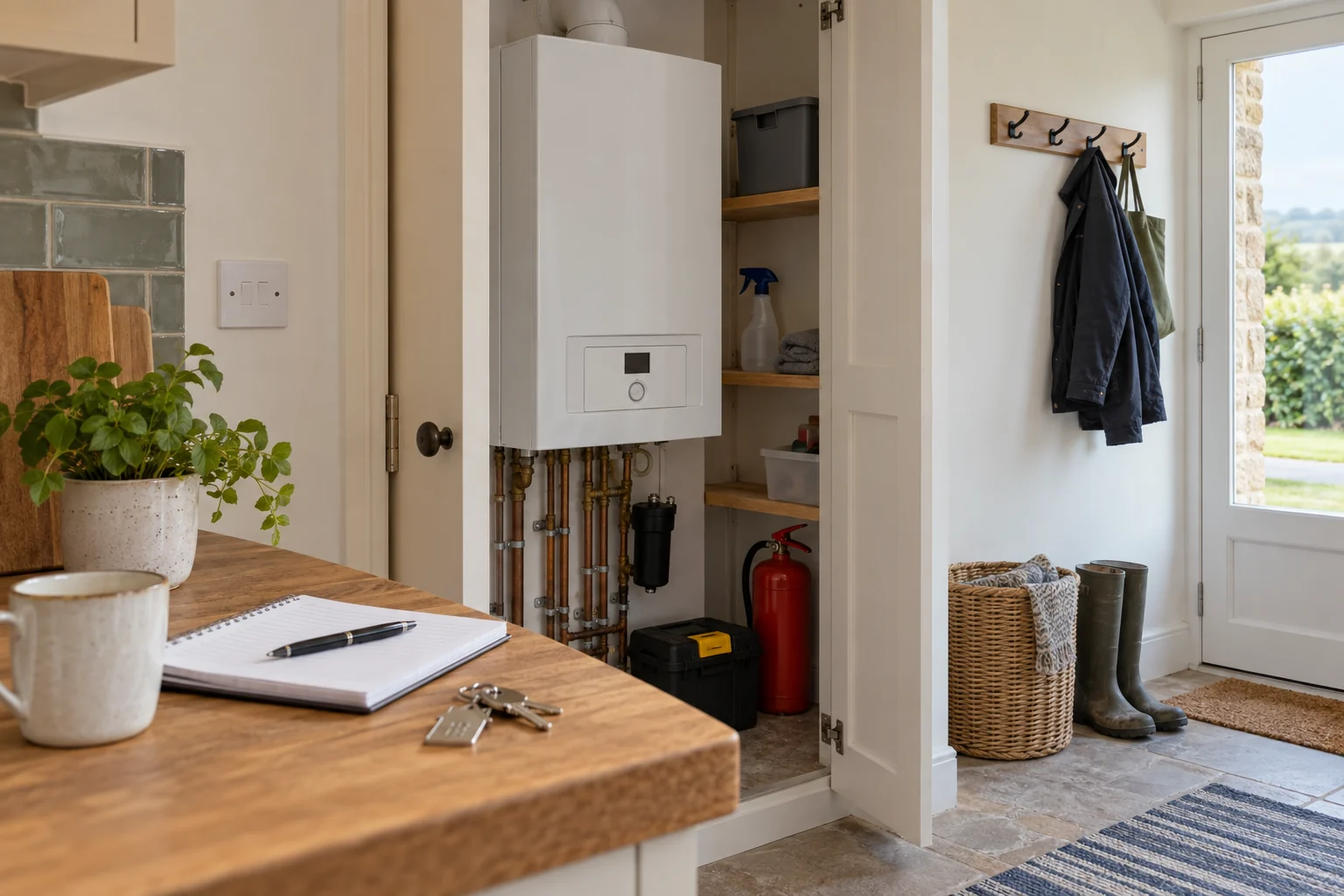
A common mistake with holiday let gas and electrical certificates is treating them as proof the property is safe now. A gas safety record or an EICR shows what an engineer found on the day they checked, not a fault that develops a month later. This guide explains what each certificate proves, how often each check is needed and who can do it, how to plan renewals so nothing lapses, and what to do when something goes wrong between checks.
What a certificate proves
A certificate is a record of a point-in-time inspection carried out by a qualified person. It says: on this date, this installation or appliance met the required standard, as far as the tests performed could establish. It does not say anything about what happens the day after, the month after, or after the fourth guest's teenager decides to plug three heaters into one extension lead.
This isn't a criticism of certificates. They're doing exactly what they're designed to do. The problem is entirely on the host side, in treating "I have the certificate" as equivalent to "this is safe" rather than "this was safe when checked, and my job is to keep it that way until the next check."
Why one check isn't enough
Almost every host who gets caught out by gas or electrical safety isn't caught out by never having had a certificate. They're caught out by letting one lapse, by not understanding when the next one was due, or by adding or changing something in the property that should have triggered a fresh check and didn't.
The reason this happens is understandable. Certificates don't renew themselves, don't send you a reminder unless you've specifically arranged one, and the renewal cycle for gas is different from the renewal cycle for electrics, which is different again from anything you might do for portable appliances. Three different clocks, three different starting points, and most hosts are keeping none of them anywhere except in their head.
Valid certificate or safe property
Here's the mechanism worth understanding properly, because once you see it, the whole approach to compliance changes.
A safety certificate is a snapshot with an expiry date attached to give you a deadline to take another snapshot. The expiry date is not a magic point at which the installation suddenly becomes unsafe; equally, the fact that you're two months inside a valid certificate is not a guarantee that everything is fine today. Faults can develop the week after an inspection. Guests can cause damage the certificate never anticipated. A certificate manages risk by forcing regular re-checking, not by making the property permanently safe between checks.
Once you treat certificates as scheduled re-checks rather than one-off proof of safety, two things follow. First, you stop being tempted to let a renewal slide "because nothing's gone wrong so far", because you understand that's exactly the wrong inference to draw. Second, you start building a system for spotting problems between checks, because you accept the certificate was never going to do that job for you.
Which check, how often, and who does it
Checked October 2026. Work to the date on each certificate or report.
| Check | Legal position for holiday lets | How often | Who can do it |
|---|---|---|---|
| Gas safety check | A legal duty across the UK | Every 12 months (in Great Britain, can be done up to 2 months early, keeping the same anniversary date) | A Gas Safe registered engineer |
| New gas appliance | Must be safely installed before guests use it | When it's fitted | A Gas Safe registered engineer |
| EICR (fixed wiring) | A licence condition in Scotland; elsewhere often an insurer requirement and your evidence the wiring is safe | By the date on the report; at least every 5 years in Scotland | A qualified electrician, ideally in a competent person scheme |
| PAT (portable appliances) | A licence condition in Scotland; elsewhere good practice | As your electrician advises | A competent person |
Gas: what has to be checked, how often, and who's allowed to check it
If your holiday let has gas appliances, an annual gas safety check is a legal duty. HSE's guidance for landlords lists rented holiday accommodation, including cottages, flats and chalets, among the properties covered. The check must be done by an engineer on the Gas Safe Register, who gives you a gas safety record. The register exists so you can verify, online or by phone, that the person working on your property is qualified and currently registered for that type of gas work.
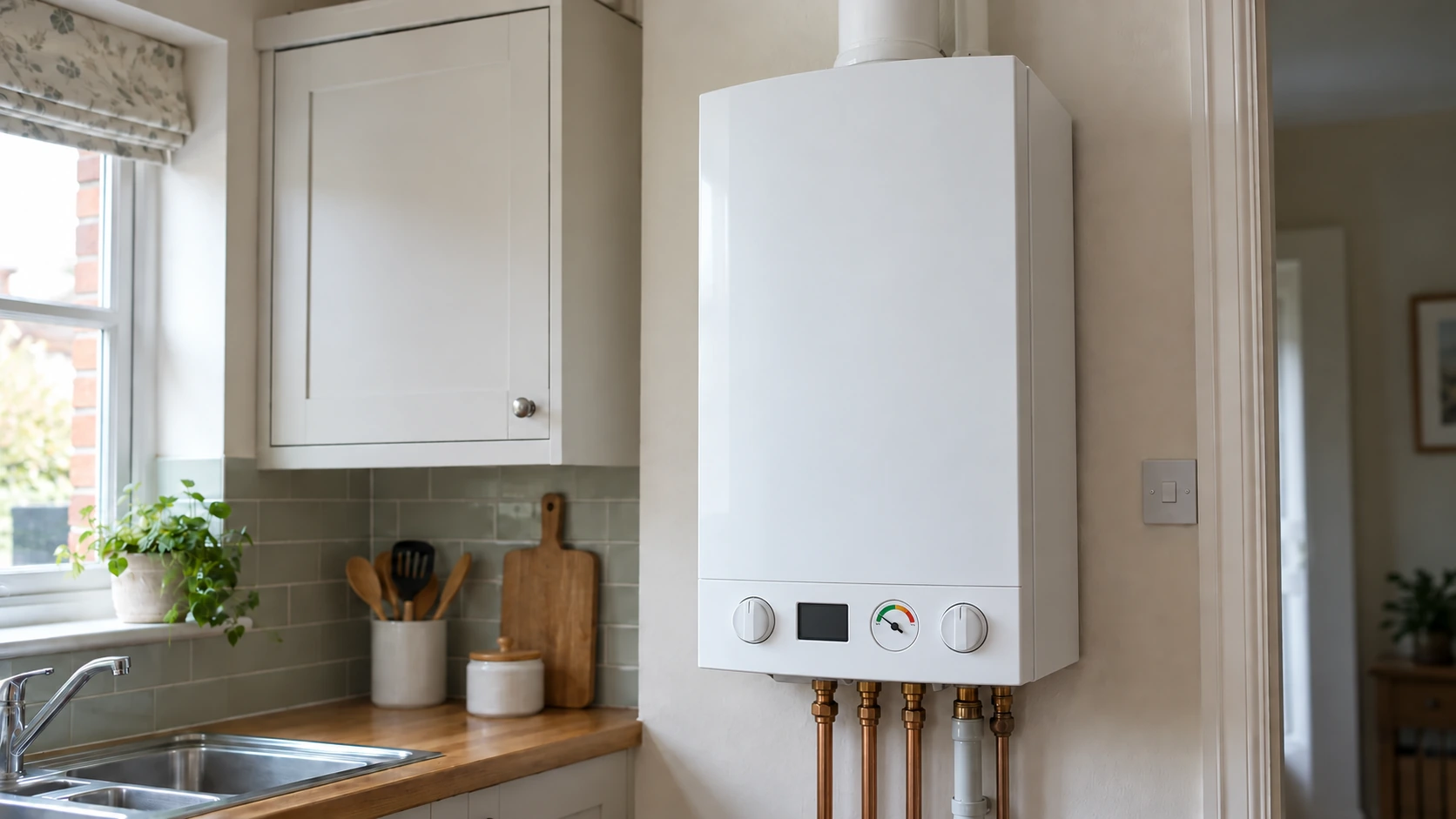
Do not attempt to do this yourself. Gas is one of the very few areas of home maintenance where "I'm fairly competent with this sort of thing" carries no weight at all, because the risks (carbon monoxide, explosion) are silent and severe, and the checks require specific testing equipment and training.
Keep each gas safety record for at least two years. With short holiday stays you don't have to hand every guest a copy: HSE says you can display the record in a prominent place in the property instead. Northern Ireland has its own gas safety regulations with the same annual check, so confirm the detail on nidirect if your let is there.
It's worth knowing what a gas safety record should show, because a record that's missing details is weaker evidence if anything goes wrong.
What to check on a gas safety record
An example layout. Forms vary between engineers, but the details should all be there.
Your next check is due within 12 months of this date.
Must be the holiday let, not your home address.
Check it's correct if the property is in a company name.
Hob, kitchen
Every gas appliance should be listed. If one's missing, it wasn't checked.
Anything marked unsafe must be fixed before guests stay.
Check the number on the Gas Safe Register.
Electrics: inspection and testing
Electrical checks are less uniform than gas, and the rules depend on where your holiday let is.
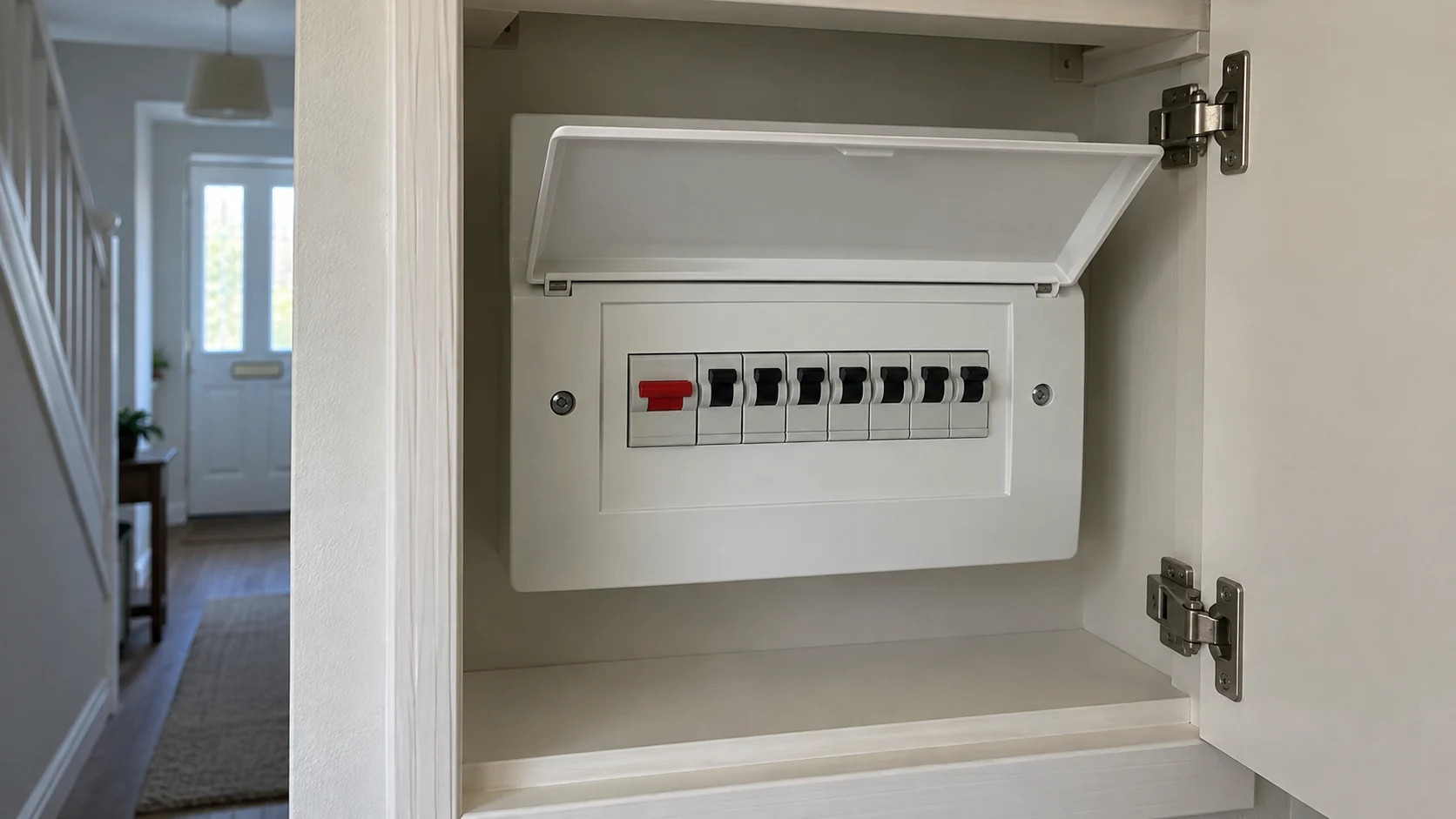
In Scotland, an Electrical Installation Condition Report (EICR) and portable appliance testing (PAT) are mandatory conditions of a short-term let licence, and the Scottish Government's guidance says the EICR should be done at least every five years.
In England and Wales, the rules requiring five-yearly EICRs apply to tenancies, not holiday lets, so there's no equivalent statutory EICR requirement for a holiday let. Insurers often ask for one anyway, and it's your best evidence that the wiring is safe. Each EICR states when the next inspection is due, so work to that date.
Because the cycle runs to years rather than months, it's easy to forget. The fix isn't to remember harder. Write the next-inspection date into the calendar you already use the day you receive the report, not the week before it's due. A reminder set for the week before often lands in a busy season when you can't get an electrician out in time, which brings us to the next point.
Using the renewal window
This is the part that trips people up even when they know the expiry date. Qualified engineers get booked up, especially around peak letting season when everyone else is also trying to get their annual checks done before summer bookings start. If you wait until close to the expiry date to book, you can end up with a gap between one certificate expiring and the next inspection happening, through no fault of your own except leaving too little lead time. If the check falls in winter, book it with the autumn boiler service. The guide to holiday let winter maintenance covers that and the other jobs to do before the first cold snap.
For gas in Great Britain there's a helpful rule. HSE allows the annual check to be done up to two months before it is due while keeping the original anniversary date, so booking early doesn't shorten your cycle. Northern Ireland hasn't brought in this rule, so there the next check is due 12 months after the last one.
The practical answer is to build in a buffer. Aim to have the renewal check done a reasonable window before the actual expiry date, not on it. Ask your engineer, when they issue a certificate, what they'd recommend as a sensible lead time for booking the next one given how far ahead they typically get booked. That's a much more useful number to have than any generic rule of thumb, because it reflects the reality of your specific local trade, not a national average.
Building a renewal calendar
The single highest-value thing you can do this week is build one master compliance calendar covering every certificate the property needs, with three dates for each: the date it was issued, the date it expires, and the date you're going to book the renewal (set well before expiry, based on the buffer above). Put this somewhere you'll see it, whether that's a shared calendar, a spreadsheet you check monthly, or a property management tool that already tracks maintenance tasks. It belongs in your holiday let compliance file, alongside the certificates themselves.
Do this once, properly, and the annual anxiety of "wait, when was that gas check due" disappears, because the system is tracking it instead of your memory.
Finding a qualified engineer and checking their registration properly
For gas work, check the Gas Safe Register directly, by postcode or by engineer's registration number if you already have a preferred contractor, rather than trusting a certificate they've shown you. Registration numbers can be checked online in a couple of minutes, and it's the only reliable way to know someone is currently, not previously, registered.
For electrical work, look for an electrician registered with a recognised competent person scheme (the schemes themselves are listed on gov.uk, and change occasionally, so check the current list rather than relying on a name you were told a few years ago). A registered electrician can self-certify certain work in a way that matters for later proof of compliance; an unregistered one, however competent they seem, can't offer you that same paper trail.
In both cases, ask to see the registration yourself rather than assuming a good reputation is the same thing as current registration. Registrations lapse. Good reputations don't always keep up with that.
When you add or replace an appliance
This is the trigger point almost every host misses. Certificates cover what was in the property at the time of inspection. If you add a new gas appliance, swap the electric cooker for a gas one, install an additional electric shower, or make any change to the fixed electrical installation, that change sits outside your existing certificate until it's specifically checked.
A gas engineer needs to check and certify any new gas appliance you install, separate from your annual whole-property check, before guests use it. Any significant change to the electrical installation, rather than simply plugging in a portable appliance, should be assessed by a qualified electrician, and depending on the scale of the work, may need to be notified under building regulations as well as checked electrically. If you're not sure whether a change counts as significant, that's exactly the question to put to the engineer doing the work, before the work happens rather than after. Adding a gas appliance or a wood burner is also a reason to revisit your fire risk assessment and carbon monoxide alarms, covered in fire safety and the responsible person for holiday lets.
Faults between checks
However good your certificate calendar is, something will eventually go wrong between checks: a guest reports a burning smell, a socket that sparks, a pilot light that won't stay lit. You need a plan for this that doesn't start with "let me think about who to call."
Have a gas engineer and an electrician you already know, ideally local to the property, saved in your contacts before you need them, not found in a panic at 9pm on a Saturday. Know, and make sure whoever answers your emergency messages knows, how to talk a guest through isolating the gas supply or switching off at the consumer unit if there's any doubt about safety, and know that the answer to "is it safe to stay" when there's a gas or electrical concern is always to get people out and get a professional in, not to talk yourself into it being probably fine. For the wider steps once a guest reports a problem, see what to do when a guest reports a fault mid stay.
Write this plan down somewhere accessible at 11pm, not buried in an email from eighteen months ago.
Keeping records of each check
Keep digital copies of every certificate somewhere you can retrieve instantly, not just physical copies in a property folder that might be exactly where the problem is. If a guest makes a complaint, or an insurer asks a question after an incident, being able to produce the relevant certificate within minutes rather than days changes how that conversation goes.
Keep a simple log alongside the certificates of any reactive repairs, what was found, who fixed it, and when. This matters because a certificate shows scheduled diligence; a repair log shows you respond properly when something goes wrong in between. Both together tell a much stronger story than either alone.
Where the rules differ across England, Wales, Scotland and Northern Ireland
Gas: the annual gas safety check applies to holiday lets in England, Wales and Scotland under the same regulations, and Northern Ireland has its own regulations with an equivalent duty.
Electrics: Scotland makes an EICR and PAT licence conditions. England and Wales have no specific EICR rule for holiday lets, though insurers often expect one. In Northern Ireland, check nidirect for the current position.
If you let the property on an ordinary tenancy for part of the year, the tenancy rules can apply to those periods, so tell your electrician if you mix holiday lets with longer lets.
Build the renewal calendar, check each engineer's registration, plan for faults between checks, and review it all whenever something in the property changes. If you do one thing this week, put every certificate's expiry date in your calendar with a reminder two months before it is due.